Melbourne Grammar School: A Complete History, Education, Traditions, Campus and Legacy
Introduction
Melbourne Grammar School is one of Australia’s best-known independent schools and has played an important role in the educational and cultural history of Melbourne. Located in Victoria, the school has developed over many generations from a nineteenth-century educational institution into a large and sophisticated school community serving students across several stages of education.
Often associated with academic ambition, Anglican traditions, sport, leadership and a strong sense of community, Melbourne Grammar School has maintained a distinctive identity throughout its long history. Its story is also closely connected with the development of Melbourne itself. As the city expanded from a young colonial settlement into a major Australian metropolis, the school evolved alongside it.
The history of Melbourne Grammar School is particularly interesting because its development was not simply a story of buildings and changing curricula. It reflects broader changes in Australian society, including the growth of formal education, the influence of religion on schooling, changing ideas about childhood and adolescence, the expansion of sporting culture, the education of girls, and the increasing importance of global perspectives.
Today, Melbourne Grammar School is known for its academic programs, extensive co-curricular opportunities, sporting traditions, music, outdoor education and leadership development. Yet many of the values associated with the school have roots in its nineteenth-century origins.
This article explores the history of Melbourne Grammar School, its foundation and development, major changes over time, educational philosophy, campuses, traditions, student life and continuing place in Australian education.
1. The Origins of Melbourne Grammar School
The origins of Melbourne Grammar School can be traced to the early development of education in colonial Victoria.
Melbourne was established in the nineteenth century during a period of rapid economic and population growth. The discovery of gold in Victoria dramatically transformed the region, bringing wealth, immigration and urban expansion. As Melbourne became more prosperous, there was increasing demand for institutions that could provide a formal education for children from families seeking academic and professional opportunities.
During this period, education was strongly influenced by British models. Classical subjects, religious instruction, discipline and preparation for university were important features of many prominent schools.
Melbourne Grammar emerged within this environment.
The institution developed from educational initiatives associated with the Anglican Church and eventually became one of Victoria’s prominent grammar schools. Its early identity reflected the educational ideals of nineteenth-century England, where grammar schools frequently emphasized classical learning, moral education and preparation for public life.
The school’s Anglican foundation remained an important part of its identity, although its educational program has changed substantially over the decades.
2. Establishment and Early Development
The school’s history reaches back to the middle of the nineteenth century. It was established in Melbourne in 1858 as the Church of England Grammar School, and its development was closely associated with the Anglican Diocese of Melbourne.
The creation of the school occurred at a significant moment in Victorian history. Melbourne was becoming one of Australia’s most important cities, and institutions were being established to support the rapidly growing population.
The founders wanted an educational institution capable of providing a rigorous education grounded in Christian values.
Early schooling was considerably different from education today. Students were generally expected to follow strict routines and demonstrate obedience and discipline. Teachers often relied heavily on formal instruction, memorization and examinations.
Subjects associated with classical education were particularly important.
Latin and Greek were regarded as valuable intellectual disciplines, while mathematics, English and religious studies also formed important components of education. Students were being prepared not merely for employment but for university, professional careers and leadership within society.
3. The Influence of the Anglican Tradition
Religion has historically been an important part of Melbourne Grammar School’s identity.
As an Anglican institution, the school developed around ideas of Christian education, moral responsibility and service. Religious instruction was traditionally integrated into school life, and chapel became an important element of the educational experience.
The Anglican influence also shaped the school’s understanding of leadership.
Education was not viewed solely as a way to achieve academic success. Students were expected to develop character and learn how to contribute to the wider community.
Over time, Australian society became more religiously diverse and educational philosophies changed. Melbourne Grammar consequently developed a broader approach while retaining its Anglican heritage.
Today, the historical relationship with the Anglican tradition remains visible through ceremonies, worship and aspects of school culture, while the wider educational community includes students and families from diverse backgrounds.
4. The Growth of Melbourne
The development of Melbourne Grammar cannot be separated from the growth of Melbourne itself.
During the second half of the nineteenth century, Melbourne experienced remarkable expansion. New suburbs developed, transport networks improved and the city became an important commercial and cultural centre.
With this growth came greater demand for high-quality schools.
Grammar schools became particularly attractive to families who wanted their children to receive an education comparable to that available in Britain. For many families, a grammar-school education was associated with social advancement, university preparation and professional careers.
Melbourne Grammar gradually established itself within this educational environment.
Its reputation grew through academic results, university connections, sporting achievements, public ceremonies and the accomplishments of former students.
5. The Move Toward South Yarra
One of the most significant developments in the school’s history was its movement toward the South Yarra area.
The location became central to the school’s identity. The campus environment allowed Melbourne Grammar to develop substantial facilities while remaining relatively close to the centre of Melbourne.
The South Yarra setting has long contributed to the distinctive character of the school.
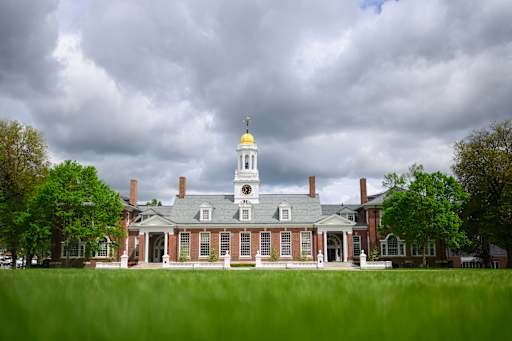
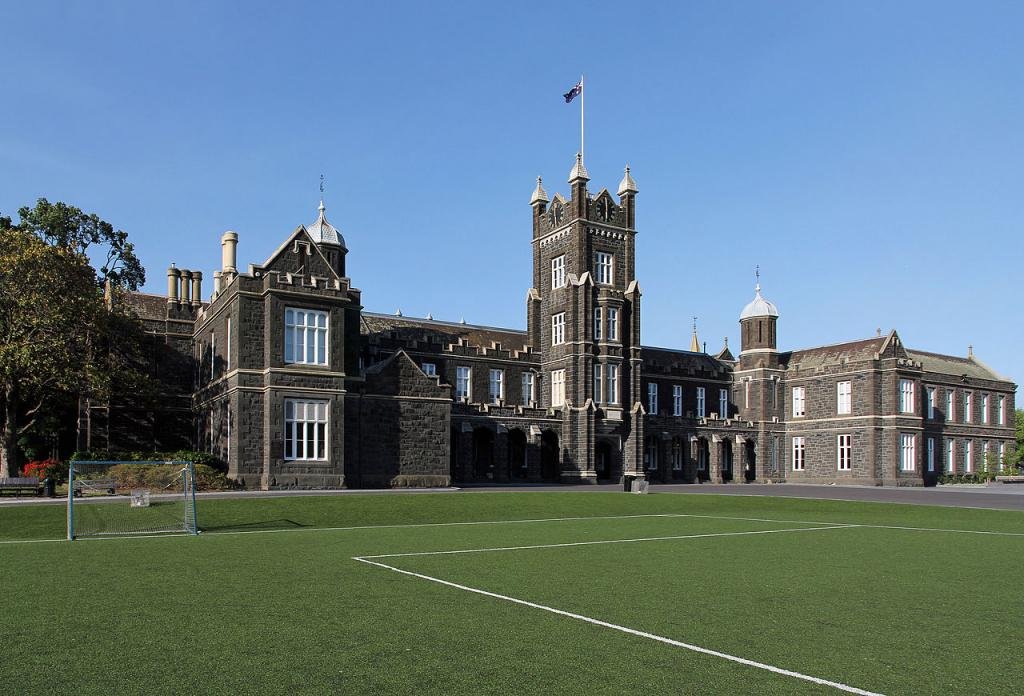
Historic buildings stand alongside modern educational facilities, creating a campus where different periods of the school’s history can be seen together.
Architecture therefore provides an important visual record of Melbourne Grammar’s development.
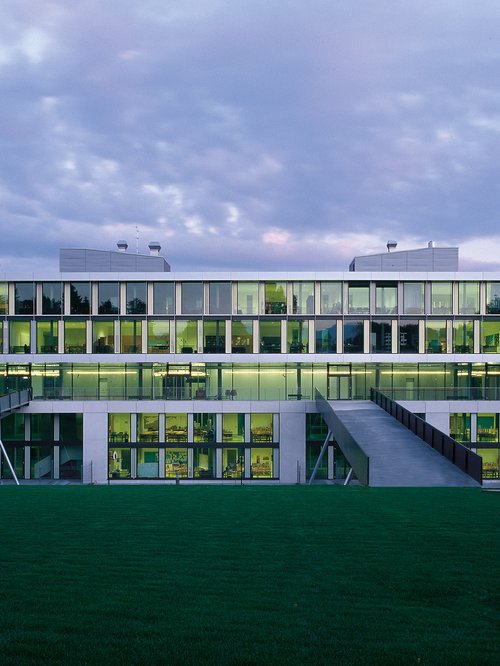
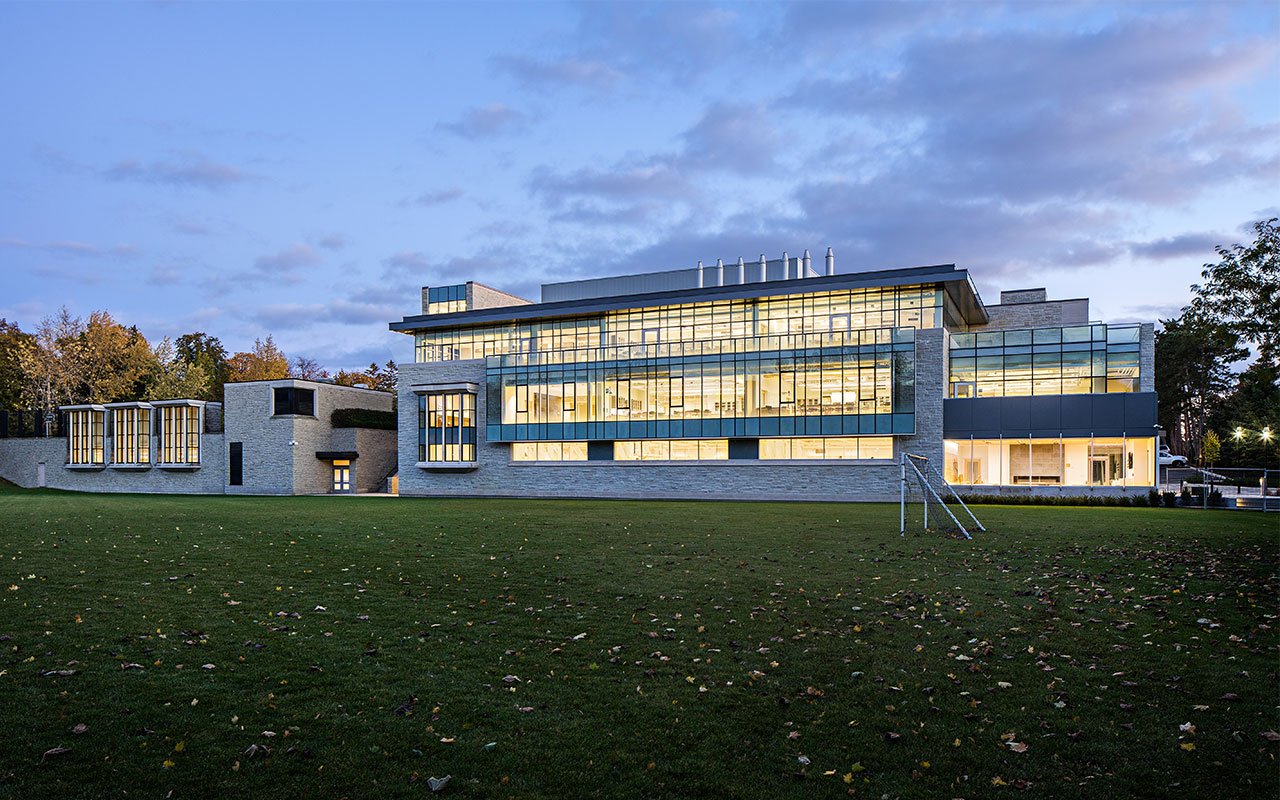
Older structures reflect nineteenth- and early twentieth-century educational styles, while newer buildings demonstrate changing approaches to teaching, technology, science, sport and student wellbeing.
6. Early Academic Education
In its early years, Melbourne Grammar followed a curriculum influenced heavily by British public schools and grammar schools.
Classical education occupied an important position.
Students could study subjects such as:
- Latin
- Greek
- Mathematics
- English
- History
- Geography
- Religious studies
- Science
The purpose of education was broader than simply passing examinations.
Students were expected to develop intellectual discipline and habits that would prepare them for university and professional life.
The school also placed considerable emphasis on written work, public speaking and formal examinations.
These traditions helped establish an academic culture that has continued, although the curriculum has expanded enormously.
7. The Evolution of the Curriculum
Education changed dramatically during the twentieth century.
The dominance of classical subjects gradually declined as science, technology, modern languages and practical disciplines became increasingly important.
Melbourne Grammar adapted to these changes.
Science education expanded, and students gained access to laboratories and more specialized forms of instruction. Mathematics developed into a broader field, while modern languages and humanities gained prominence.
In later decades, technology became another important part of education.
The modern school curriculum is far more diverse than the curriculum available to students in the nineteenth century.
Students can now explore areas including:
- English
- Mathematics
- Sciences
- Humanities
- Languages
- Visual arts
- Performing arts
- Technology
- Digital learning
- Physical education
- Outdoor education
This development reflects a broader understanding of education in which students are encouraged to discover individual interests and strengths.
8. Melbourne Grammar and University Preparation
University preparation has traditionally been one of the school’s major purposes.
For generations, Melbourne Grammar students have progressed to universities and professional careers in Australia and internationally.
The school has developed a culture in which academic achievement is valued strongly.
However, university preparation today involves much more than examination performance.
Students are encouraged to develop:
- Critical thinking
- Research skills
- Communication
- Collaboration
- Problem solving
- Independent learning
- Leadership
- Creativity
These skills are considered valuable not only for university but also for future professional and civic life.
9. The Development of Sport
Sport is one of the most visible aspects of Melbourne Grammar’s culture.
Australian independent schools have historically placed significant emphasis on sport, and Melbourne Grammar is part of this tradition.
Sport serves several purposes.
It provides physical exercise, develops teamwork and creates opportunities for students to compete and cooperate.
Over the years, the school has developed programs across numerous sports.
These can include activities such as:
- Australian rules football
- Cricket
- Rowing
- Athletics
- Swimming
- Tennis
- Basketball
- Soccer
- Cross-country
- Hockey
The exact range of sports can change over time, but the principle remains consistent: physical education is considered an important part of a student’s development.
10. Cricket and Sporting Traditions
Cricket has traditionally been particularly significant within Australian school culture.
School cricket provides opportunities for students to develop technical skills while learning about discipline, patience and teamwork.
Melbourne Grammar’s sporting traditions have contributed to its public identity, and sporting competitions between prominent schools have become important annual events.
Sporting rivalry can create strong school spirit.
Students often identify closely with their houses, teams and year groups, and competitions become opportunities for the wider school community to gather.
11. Rowing and the Importance of the Yarra
Rowing has a special connection with Melbourne because of the Yarra River.
Melbourne Grammar has a long association with rowing, and the sport has become an important part of the school’s extracurricular culture.
Rowing requires exceptional teamwork.
Unlike many individual sports, success depends upon several students coordinating their movements with precision. Training also demands endurance, discipline and commitment.
For this reason, rowing has traditionally been associated with leadership and teamwork within many Australian schools.
The school’s rowing activities also reflect Melbourne’s geographic relationship with the Yarra.
12. House System
The house system is another important feature of Melbourne Grammar’s school culture.
Students are generally organized into houses that compete across academic, sporting and cultural activities.
House systems create smaller communities within the larger school.
They can help students:
- Build friendships
- Develop leadership
- Participate in competitions
- Support younger students
- Develop school spirit
For older students, house leadership can provide opportunities to organize events and mentor younger members.
The system also contributes to traditions that students carry with them after graduation.
13. Student Leadership
Leadership is a major element of the Melbourne Grammar educational experience.
Students are encouraged to accept responsibilities as they progress through the school.
Leadership opportunities can occur through:
- Student councils
- House leadership
- Sports teams
- Music groups
- Performing arts
- Community service
- School events
- Outdoor education
- Mentoring
The purpose of these opportunities is not simply to create formal leaders.
Rather, leadership education encourages students to understand responsibility, cooperation and service.
14. Education Beyond the Classroom
One of the most important changes in modern education has been the recognition that learning does not happen only inside classrooms.
Melbourne Grammar provides numerous activities designed to complement academic education.
These include:
- Music
- Drama
- Debating
- Public speaking
- Sport
- Outdoor education
- Community service
- Clubs and societies
- Leadership programs
These activities allow students to develop interests that may not be fully explored through traditional academic subjects.
15. Music at Melbourne Grammar
Music has long played an important role in school culture.
A comprehensive music program can expose students to both performance and theory.
Students may have opportunities to participate in:
- Choirs
- Orchestras
- Ensembles
- Bands
- Instrumental lessons
- Concerts
- Recitals
Music education can provide benefits beyond technical ability.
Performing before an audience helps students develop confidence, concentration and communication skills.
Group performance also teaches students how individual contributions combine to create a collective result.
16. Drama and Performing Arts
The performing arts provide another important dimension of school life.
Drama allows students to explore storytelling, communication and creativity.
Students can become involved in acting, directing, stage production, set design and other aspects of theatre.
Performing arts programs also provide an opportunity for students who may not identify primarily as academic or sporting students to find an area where they can excel.
This reflects a broader educational philosophy: schools should provide multiple pathways for achievement.
17. Outdoor Education
Outdoor education has become increasingly important in Australian schools.
Melbourne Grammar has developed outdoor learning opportunities that encourage students to experience environments beyond the traditional school campus.
Outdoor programs can involve:
- Camping
- Hiking
- Team-building activities
- Environmental education
- Leadership challenges
- Adventure activities
These experiences can help students become more independent.
Being away from familiar surroundings often requires students to solve problems, cooperate with peers and manage responsibilities.
18. Community Service
Community service represents another dimension of the school’s educational philosophy.
Students are encouraged to understand that education carries responsibilities beyond personal achievement.
Service programs can introduce students to issues affecting different communities and encourage them to contribute time and skills.
Community engagement can involve charitable activities, volunteering, fundraising and partnerships with community organizations.
The underlying principle is that education should help students become responsible members of society.
19. Melbourne Grammar and Girls’ Education
The history of Melbourne Grammar also connects with the changing role of girls’ education in Australia.
For much of its history, traditional grammar schools were organized around single-sex education for boys.
However, education for girls expanded significantly during the nineteenth and twentieth centuries.
Melbourne Grammar’s broader educational community became connected with girls’ education through its relationship with Melbourne Girls Grammar, which has its own long and significant history.
The relationship between the two schools has allowed opportunities for cooperation and shared activities.
This reflects broader changes in Australian education, where opportunities for boys and girls have increasingly expanded across academic, sporting, cultural and leadership fields.
20. Melbourne Grammar Girls
Melbourne Grammar has continued to develop its educational environment in response to changing social expectations.
Although its traditional identity is strongly associated with boys’ education, the wider Melbourne Grammar community includes educational opportunities and partnerships that connect students across genders.
This development reflects the changing nature of independent education in Australia.
Modern schools increasingly emphasize collaboration, diversity, communication and preparation for a society in which men and women work together across every profession.
21. Campus Architecture
The Melbourne Grammar campus is an important part of its identity.
Historic school buildings can communicate the values of previous generations.
Large halls, chapels, classrooms and administrative buildings demonstrate how nineteenth- and twentieth-century educators imagined a school should look.
At the same time, modern educational buildings show how those expectations have changed.
Contemporary facilities can include:
- Science laboratories
- Technology spaces
- Libraries
- Performing arts facilities
- Sporting facilities
- Modern classrooms
- Student activity areas
The combination of old and new gives the campus a distinctive character.
22. The Chapel
The chapel occupies an important position in the school’s historical identity.
For an Anglican school, chapel has traditionally been more than an architectural feature. It represents the relationship between education, community and faith.
School ceremonies and services can provide moments for reflection and collective identity.
The role of chapel has changed as Australian society has become more diverse, but the institution continues to maintain elements of its Anglican heritage.
23. School Traditions
Tradition is an important part of Melbourne Grammar’s identity.
Traditions create continuity between generations.
Students participate in ceremonies, sporting events, assemblies and other activities that were also important to previous generations.
Traditions can include:
- School songs
- House competitions
- Formal ceremonies
- Sporting fixtures
- Graduation events
- Musical performances
- Alumni gatherings
Such traditions help students feel connected to the institution’s history.
24. The School Community
A large school is more than its students and teachers.
Melbourne Grammar includes:
- Students
- Teachers
- Administrative staff
- Families
- Alumni
- Supporters
- Community partners
The strength of such a community depends on relationships among these groups.
Teachers play a particularly important role because they influence not only academic development but also student confidence, motivation and character.
25. Teachers and Educational Leadership
Throughout its history, Melbourne Grammar has depended upon teachers and school leaders capable of responding to changing educational needs.
School leadership has had to balance tradition with innovation.
Too much focus on tradition can prevent adaptation.
Too much emphasis on change can weaken institutional identity.
Successful educational leadership requires finding a balance between the two.
Melbourne Grammar’s long history demonstrates how an institution can preserve important traditions while introducing new educational approaches.
26. Academic Culture
Academic achievement remains one of Melbourne Grammar’s central priorities.
Students are encouraged to work toward ambitious educational goals.
A strong academic culture can create an environment in which students challenge themselves and develop intellectual curiosity.
However, modern education increasingly recognizes that academic success should not be measured only by examination results.
Students also need creativity, emotional maturity, resilience and social awareness.
The modern Melbourne Grammar approach therefore combines traditional academic expectations with broader developmental opportunities.
27. Science and Technology
Science and technology have become increasingly important components of education.
In the nineteenth century, science was present but educational opportunities were far more limited than today.
Modern students have access to laboratories, digital tools and rapidly developing scientific knowledge.
Areas such as biology, chemistry, physics and environmental science can help students understand the world around them.
Technology also changes how students learn.
Digital resources allow students to conduct research, collaborate and create multimedia projects.
28. Libraries and Independent Learning
Libraries remain valuable even in the digital age.
A school library provides access to books, research materials and spaces for concentration.
Modern libraries increasingly function as learning centres rather than simply collections of books.
Students can use them for:
- Research
- Reading
- Group projects
- Independent study
- Digital learning
Independent learning is particularly important for students preparing for university.
29. Diversity and Modern School Life
Australian society has changed substantially since Melbourne Grammar was founded.
Melbourne today is a multicultural city with connections across Asia, Europe, North America and many other regions.
Modern schools therefore operate in a much more diverse environment than nineteenth-century institutions.
Melbourne Grammar’s educational mission exists within this broader context.
Students increasingly need to understand cultures, perspectives and international issues.
This makes global awareness an important part of contemporary education.
30. International Outlook
Education is no longer limited by national borders.
Students graduating from Melbourne Grammar may attend universities in Australia or overseas and enter careers connected to international organizations and global industries.
An international outlook can help students understand:
- Global economics
- International politics
- Different cultures
- Environmental challenges
- Global technology
- International education
This prepares students for a world in which professional and personal connections often extend across countries.
31. Alumni of Melbourne Grammar
One of the strongest measures of a school’s historical influence is the contribution of its former students.
Melbourne Grammar has produced alumni who have contributed to many areas of Australian life.
Former students have entered fields such as:
- Politics
- Law
- Medicine
- Business
- Academia
- Science
- Journalism
- Arts
- Sport
- Public service
The achievements of alumni contribute to the school’s reputation and provide examples for current students.
32. The Old Melburnians
The school’s alumni community is commonly associated with the Old Melburnians.
Alumni organizations help former students maintain connections with one another and with the school.
Such communities can support:
- Networking
- Mentoring
- Social events
- Professional connections
- School fundraising
- Historical preservation
For a school with more than a century and a half of history, alumni networks are particularly important.
33. Melbourne Grammar During Times of Conflict
Like many Australian educational institutions, Melbourne Grammar was affected by major historical events including the two World Wars.
Wars disrupted normal life and influenced generations of students and families.
Former students served in military forces, and the school community experienced loss.
Memorials and ceremonies associated with wartime service became part of the institution’s historical memory.
Studying this aspect of the school’s history provides an opportunity to understand how international events affected Australian communities.
34. The First World War
The First World War had a profound impact on Australia.
Young Australians volunteered for military service in large numbers, and schools became closely connected with wartime experiences.
Melbourne Grammar students and alumni were among those affected by the conflict.
School communities often organized fundraising, support programs and commemorative activities.
The war also changed attitudes toward leadership, citizenship and sacrifice.
35. The Second World War
The Second World War again disrupted Australian society.
Schools operated during a period of uncertainty and national mobilization.
Students experienced changes in daily life, while older students and alumni became involved in military service.
The post-war period subsequently brought major social and educational changes.
Australia’s population expanded, technology developed and education became increasingly important to national prosperity.
36. Post-War Transformation
After 1945, Melbourne Grammar operated in a dramatically changing society.
Australia experienced economic growth, immigration and urban development.
Education also expanded.
More young people pursued secondary and tertiary education, and universities became increasingly accessible.
Schools therefore needed to prepare students for a much wider range of careers.
Melbourne Grammar expanded its academic and extracurricular offerings in response.
37. Education in the Late Twentieth Century
By the late twentieth century, the traditional model of education had changed substantially.
Students were no longer being educated solely for classical professions.
Science, engineering, technology, commerce, media and creative industries were becoming increasingly important.
The curriculum responded accordingly.
Schools also became more conscious of student wellbeing, pastoral care and individual learning needs.
These developments influenced Melbourne Grammar as well.
38. Student Wellbeing
Modern education places greater emphasis on student wellbeing than many schools did in previous generations.
Academic success is difficult to sustain if students are struggling socially or emotionally.
Pastoral care systems can help students navigate challenges involving:
- Friendship
- Academic pressure
- Transition between school years
- Family changes
- Personal development
- Future planning
The goal is to create an environment where students can ask for support and develop resilience.
39. Pastoral Care
Pastoral care is particularly important in large schools.
Students need trusted adults who can help them understand problems and make responsible decisions.
House systems can contribute to pastoral care by creating smaller communities.
Teachers, tutors and student leaders can also play important roles.
This approach reflects the idea that education involves the whole person rather than simply academic performance.
40. The Importance of Character Education
Character education has been part of the school’s philosophy since its early history.
However, the language used to describe character has changed.
Older generations might have emphasized discipline, duty and moral conduct.
Modern educators may discuss:
- Resilience
- Integrity
- Empathy
- Responsibility
- Respect
- Leadership
- Service
Although terminology changes, the underlying idea remains similar: students should develop qualities that help them become responsible adults.
41. Melbourne Grammar and Leadership
Leadership education is closely connected with the school’s history.
Traditional grammar schools often prepared students for professions and public responsibilities.
Today, leadership is understood more broadly.
A good leader is not necessarily the loudest or most powerful person in a group.
Leadership can involve listening, cooperation, empathy and responsible decision-making.
Students therefore encounter leadership through many different activities.
42. Debate and Public Speaking
Communication skills are essential in modern life.
Debating provides students with opportunities to research issues, construct arguments and respond to opposing viewpoints.
Public speaking helps students become more confident when communicating before an audience.
These skills are useful in university, employment and community life.
They also connect with the older tradition of rhetoric and public speaking associated with classical education.
43. Environmental Awareness
Environmental education has become increasingly important.
Climate change, biodiversity and resource management are major global issues.
Schools can help students understand these challenges through science, geography, outdoor education and community projects.
Environmental awareness also connects students with the natural landscapes surrounding Melbourne and Victoria.
44. The Role of Technology
Technology has transformed education.
Students can now access information almost instantly.
However, technology also creates new challenges.
Students need to learn how to evaluate information, recognize unreliable sources and use digital tools responsibly.
Modern education therefore focuses not only on technology access but also on digital literacy.
45. Melbourne Grammar in the Digital Age
The digital age has changed classroom practices.
Teachers can use multimedia resources, online learning platforms and interactive tools.
Students can collaborate electronically and access resources beyond the physical library.
At the same time, traditional skills remain important.
Reading, writing, mathematics, critical thinking and face-to-face communication continue to form the foundation of education.
The challenge for schools is to combine proven educational practices with appropriate new technologies.
46. Boarding and Wider Educational Opportunities
Historically, many prominent grammar schools offered opportunities for students from outside the immediate city area.
Boarding education allowed families from regional areas to access metropolitan schooling.
Although the nature of boarding and student accommodation has changed over time, the principle remains important: educational institutions can connect students from different geographical backgrounds.
47. Melbourne Grammar and Melbourne’s Elite Educational Tradition
Melbourne has a long tradition of independent schools.
These institutions have contributed significantly to the city’s educational landscape.
Melbourne Grammar has traditionally been regarded as one of the prominent schools within this sector.
Its history is therefore connected with debates about educational opportunity, tradition, privilege and academic excellence.
Independent schools have resources that can support extensive facilities and extracurricular programs, but they also carry responsibilities to contribute positively to wider society.
48. Tradition Versus Modernity
One of the most interesting aspects of Melbourne Grammar is the balance between tradition and modernity.
The school retains symbols and practices connected with its nineteenth-century origins.
At the same time, its curriculum, technology and student programs continue to evolve.
This balance is common among historic educational institutions.
Traditions can provide identity and continuity.
Innovation ensures that education remains relevant.
The challenge is deciding which traditions remain meaningful and which practices should change.
49. The Importance of School Identity
School identity can influence students’ experiences significantly.
Uniforms, houses, ceremonies, songs, sporting teams and school buildings all contribute to a sense of belonging.
For a historic school, identity is also connected with the achievements of previous generations.
Students may feel that they are participating in something larger than themselves.
This can encourage responsibility and pride.
50. Preparing Students for the Future
The ultimate purpose of education is preparation for life.
Students graduating from Melbourne Grammar enter a rapidly changing world.
Future careers may involve technologies that did not exist when today’s teachers were students.
Consequently, schools cannot simply teach a fixed collection of information.
They must teach students how to learn.
Skills such as adaptability, critical thinking, creativity and collaboration are increasingly valuable.
51. Why the History of Melbourne Grammar Matters
Studying Melbourne Grammar’s history helps us understand more than one school.
It provides insight into the development of Australian education.
The school’s evolution reflects changes in:
- Melbourne society
- Religion
- Social structures
- University education
- Sport
- Technology
- Gender roles
- Cultural diversity
- Globalization
The institution therefore represents a small but significant part of Australia’s broader educational story.
52. Melbourne Grammar’s Historical Legacy
After more than 160 years, Melbourne Grammar remains connected to its founding traditions while operating as a modern educational institution.
Its legacy can be seen in its buildings, archives, alumni, sporting traditions, academic culture and community relationships.
The school’s continued existence demonstrates the ability of historic institutions to adapt.
Its history is not simply a record of the past.
It influences how the school understands itself today.
53. Melbourne Grammar School Today
Modern Melbourne Grammar School provides an extensive educational experience combining academic study with extracurricular development.
Students can participate in numerous areas, allowing them to develop different talents.
The school continues to emphasize academic achievement while also providing opportunities in sport, music, drama, outdoor education, leadership and community service.
This broad educational approach reflects contemporary expectations of independent schools.
54. Academic Excellence and Personal Development
The modern school aims to balance academic excellence with personal development.
A student who achieves excellent examination results but lacks communication or teamwork skills may face challenges later.
Similarly, a student with strong leadership skills but weak academic foundations may also need support.
A balanced education therefore attempts to develop multiple dimensions of ability.
Melbourne Grammar’s broad curriculum reflects this philosophy.
55. The Role of Parents and Families
Families are an important part of school life.
Parents contribute to school communities through events, volunteering, communication and support for students.
A successful educational partnership requires cooperation among students, teachers and families.
Parents also play a role in helping young people develop healthy attitudes toward academic achievement, competition and extracurricular activities.
56. School Events
School events create opportunities for the community to come together.
These can include:
- Assemblies
- Concerts
- Sporting competitions
- Graduation ceremonies
- Parent events
- Academic celebrations
- House competitions
- Community activities
Such events help transform the school from a collection of classrooms into a community.
57. Melbourne Grammar and the Arts
The arts remain an important part of a well-rounded education.
Visual arts can encourage students to experiment with design, color, form and creative expression.
Performing arts develop communication and confidence.
Music introduces students to both individual discipline and group performance.
Together, these areas help students develop creative thinking.
58. The Value of Competition
Competition can motivate students to improve.
Sporting and academic competitions give students opportunities to test their skills against others.
However, healthy competition requires perspective.
The most valuable lesson may not be winning.
Students can learn how to:
- Prepare
- Persevere
- Handle disappointment
- Respect opponents
- Celebrate achievement
- Work as a team
These lessons can remain useful throughout adulthood.
59. Friendship and School Memories
For many former students, school is remembered not only through academic achievements but through friendships.
Students spend many years together.
They share classrooms, sports fields, performances, excursions and school ceremonies.
These experiences create memories that can last decades.
The alumni community demonstrates how those relationships can continue after graduation.
60. Melbourne Grammar’s Place in Australian Education
Melbourne Grammar School occupies a significant place in Australian educational history.
Its longevity, traditions and alumni connections have contributed to its national profile.
The school represents an educational model that combines:
Academic education + character development + sport + culture + leadership + community.
This model has influenced independent education in Australia for generations.
61. Challenges Facing Historic Schools
Historic schools face several challenges.
One challenge is maintaining heritage while updating facilities.
Another is ensuring that traditional values remain relevant to contemporary students.
Schools must also respond to changing technology, social expectations and educational research.
Financial sustainability, student wellbeing, diversity and environmental responsibility are additional considerations.
A historic reputation alone cannot guarantee future success.
Institutions must continue to evolve.
62. The Future of Melbourne Grammar School
The future of Melbourne Grammar will likely involve continued adaptation.
Education is changing rapidly because of artificial intelligence, digital technology, new approaches to assessment and evolving ideas about student wellbeing.
Schools will need to determine how these developments can be incorporated responsibly.
At the same time, core educational principles will remain important.
Students will still need:
- Knowledge
- Curiosity
- Discipline
- Communication
- Empathy
- Resilience
- Creativity
- Responsibility
The future will therefore require both innovation and continuity.
63. Why Students May Choose Melbourne Grammar
Families considering Melbourne Grammar may be attracted by several factors.
These can include:
- Long history
The school has a heritage extending back to the nineteenth century. - Academic opportunities
Students have access to a broad curriculum. - Sport
Extensive sporting programs provide opportunities for participation and competition. - Arts
Music, drama and other creative activities broaden the educational experience. - Leadership
Students can take on responsibilities through many programs. - Community
The school has a large network of students, families and alumni. - Tradition
Historic ceremonies and customs create a strong institutional identity.
64. Lessons from Melbourne Grammar’s History
Several broader lessons can be drawn from the school’s history.
Adaptation matters
The school has survived because it has changed with society.
Tradition can create identity
Historic practices can provide continuity when they remain meaningful.
Education is broader than examinations
Academic achievement is important, but character and practical skills also matter.
Community is powerful
Students benefit from relationships with teachers, peers, families and alumni.
Leadership should involve service
Education can prepare students to contribute to society rather than simply pursue personal success.
65. Melbourne Grammar as a Historic Institution
Historic schools are sometimes described simply through their age.
However, age alone does not explain their significance.
Melbourne Grammar’s importance comes from its ability to remain relevant across changing generations.
The school has experienced colonial Australia, Federation, two World Wars, post-war immigration, technological revolutions and the digital age.
Each period brought new challenges.
The institution adapted while maintaining elements of its original identity.
66. A School Connected to Melbourne’s Story
Melbourne Grammar’s story is also part of Melbourne’s story.
When the school was founded, Melbourne was still a relatively young city.
Today, Melbourne is an international metropolis.
The city’s transformation can be seen in the school’s changing curriculum, student community, facilities and educational priorities.
The school therefore provides an interesting example of how institutions evolve alongside cities.
67. Conclusion
Melbourne Grammar School is one of Australia’s historic educational institutions, with roots reaching back to the nineteenth century.
From its early Anglican foundations to its modern educational programs, the school has undergone enormous change. Its curriculum has expanded from traditional classical education to include science, technology, humanities, languages, arts and numerous contemporary disciplines.
Sport has remained a central part of school culture, while music, drama, outdoor education, leadership and community service have expanded the meaning of education beyond the classroom.
The school’s architecture, traditions, houses, ceremonies and alumni network provide links to previous generations. At the same time, modern approaches to technology, student wellbeing, diversity and global education demonstrate the institution’s continuing adaptation.
The history of Melbourne Grammar School is therefore not simply a story about one school. It is a window into the development of education in Victoria and Australia. It shows how educational institutions can preserve important traditions while responding to changing social expectations.
For generations of students, Melbourne Grammar has represented an environment in which academic learning, sport, culture, leadership and community are brought together. Its continued development will depend on maintaining this balance while preparing students for a future that will inevitably look very different from the world in which the school was founded.
Ultimately, the enduring legacy of Melbourne Grammar School lies not only in its historic buildings or famous alumni but in the generations of students who have passed through its classrooms, sporting fields, performance spaces and wider community. Their experiences form a continuing part of the school’s story—and that story remains an important chapter in the history of Australian education.
Frequently Asked Questions About Melbourne Grammar School
1. When was Melbourne Grammar School founded?
Melbourne Grammar School traces its origins to 1858, when it was established as the Church of England Grammar School.
2. Where is Melbourne Grammar School located?
The school’s main campus is located in South Yarra, Melbourne, Victoria, Australia.
3. What type of school is Melbourne Grammar School?
It is an independent Anglican school with a long tradition of secondary education.
4. What is Melbourne Grammar known for?
The school is particularly known for its academic programs, history, sport, music, leadership opportunities and strong community traditions.
5. Does Melbourne Grammar offer sports?
Yes. Sport is an important component of school life, with opportunities across a broad range of sporting activities.
6. Does the school have a long history of Anglican education?
Yes. Anglican heritage has been an important part of the school’s identity since its foundation.
7. What extracurricular activities are available?
Students can participate in activities involving sport, music, drama, debating, outdoor education, leadership and community service.
8. Why is Melbourne Grammar historically significant?
Its long history makes it an important part of the educational development of Melbourne and Victoria.
9. What is the school known for academically?
Melbourne Grammar has traditionally maintained a strong academic culture and provides a broad secondary curriculum.
10. How has Melbourne Grammar changed over time?
The school has evolved from a nineteenth-century Anglican grammar school into a modern educational institution offering a broad curriculum and extensive extracurricular opportunities.